

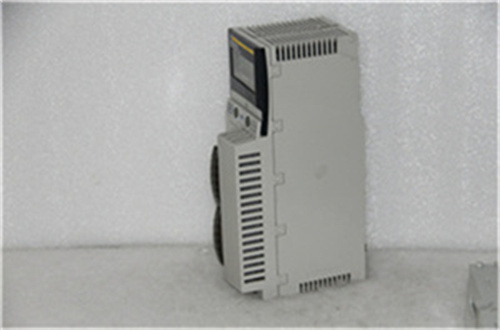


Description
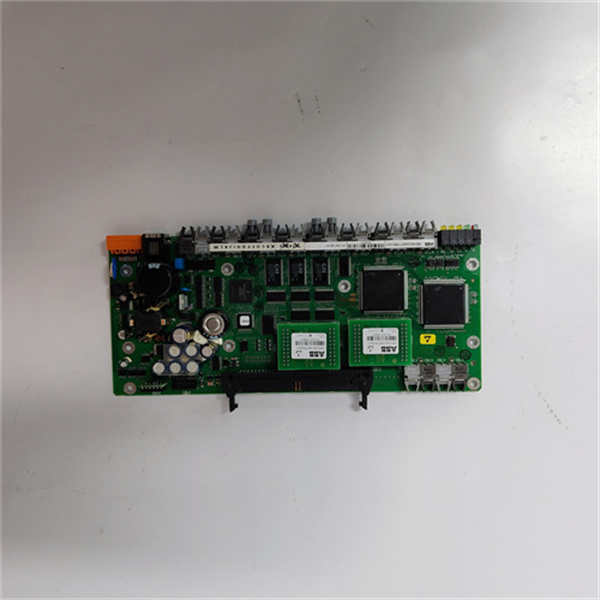
Parameter Specifications
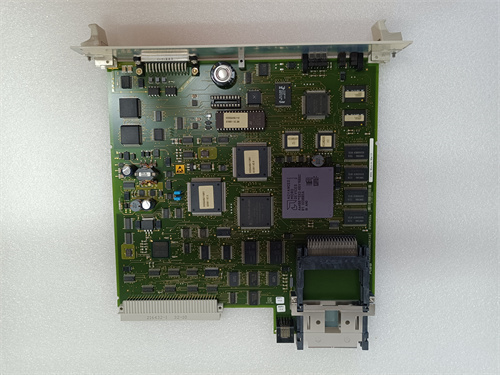
- Power Supply: The PPC907BE 3BHE024577R0101 operates on a 24V DC power supply. The power consumption is approximately 20 – 30W, ensuring efficient energy usage during continuous operation.
- Processor: It is equipped with a high – performance processor. The specific model of the processor is optimized for real – time data processing, enabling rapid execution of control algorithms and seamless handling of complex tasks.
- Memory: There is 1GB of RAM for smooth runtime operations and 4GB of non – volatile flash memory. The RAM supports quick data access and multitasking, while the flash memory stores system software, configuration files, and historical data.
- I/O Channels: It features a rich set of input/output channels. There are 32 digital input channels that can receive signals from various sensors such as limit switches, proximity sensors, and photoelectric sensors. Additionally, there are 32 digital output channels for controlling actuators like solenoid valves, relays, and contactors. There are also 8 analog input channels and 4 analog output channels for handling continuous process variables like temperature, pressure, and flow rate.
- Communication Interfaces: Multiple communication interfaces are available. Ethernet communication is supported at 100Mbps, allowing for high – speed data transfer with other devices in the network. It also has serial ports (RS – 232/RS – 485) and supports industrial protocols such as Modbus TCP and Profibus DP.
Applications
- Industrial Automation: In manufacturing plants, the PPC907BE can be used to control and monitor complex production lines. It can manage the operation of robotic arms, conveyor belts, and assembly machines, ensuring efficient and accurate production processes.
- Process Control: In chemical and pharmaceutical industries, it can regulate chemical processes. It monitors process parameters such as temperature, pressure, and flow rate through connected sensors and controls valves, pumps, and heaters to maintain optimal production conditions.
- Power Generation: In power plants, it can be used to control and monitor power – generating equipment like turbines and generators. It helps maintain stable power output and protects the equipment from abnormal conditions.
Weight and Dimensions
- Weight: Approximately 2 kg, which is relatively light and easy to handle during installation and maintenance.
- Dimensions: It has a compact design with dimensions of about 200mm (length) x 150mm (width) x 70mm (height), suitable for standard control cabinets.
Features
- High – speed Data Processing: With its powerful processor and sufficient memory, it can process large amounts of data in real – time, enabling quick response to process changes and ensuring smooth operation of industrial systems.
- Modular Design: It has a modular design, which means it can be easily integrated into existing industrial control systems. Additional I/O modules can be added or removed as per the specific requirements of the application.
- Diagnostic Functions: It is equipped with built – in diagnostic functions that can detect faults in the module itself, input/output channels, and communication interfaces. This helps in quick troubleshooting and reduces downtime.
Stability and Reliability
- Robust Construction: Built with high – quality components and a durable enclosure, it can withstand harsh industrial environments, including vibrations, shocks, and temperature variations.
- Long – term Testing: Through extensive long – term testing, it has been proven to have a stable performance over a long service life, with a low failure rate.
- Redundancy Options: Some configurations may support redundancy in power supply or communication, ensuring continuous operation even in the event of a single – point failure.
Practical Case
In an automotive manufacturing plant, the PPC907BE 3BHE024577R0101 is used to control a welding line. The digital input channels receive signals from sensors that detect the position of car bodies on the conveyor belt. Based on these signals, the module sends control signals through the digital output channels to the welding robots. One day, a sensor malfunctioned due to a brief electrical surge. Thanks to the diagnostic capabilities and redundant design of the PPC907BE, the system quickly detected the issue, switched to backup input channels, and continued the welding process without significant disruption. This ensured the continuous production and high – quality output of the automotive manufacturing plant.


Reviews
There are no reviews yet.