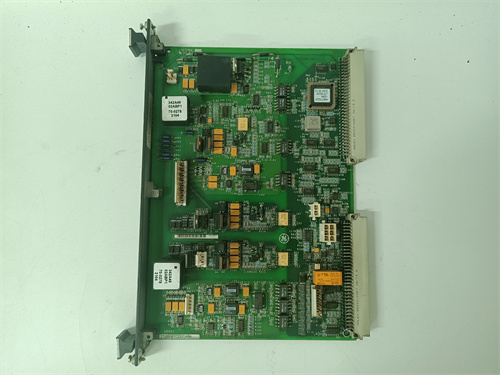
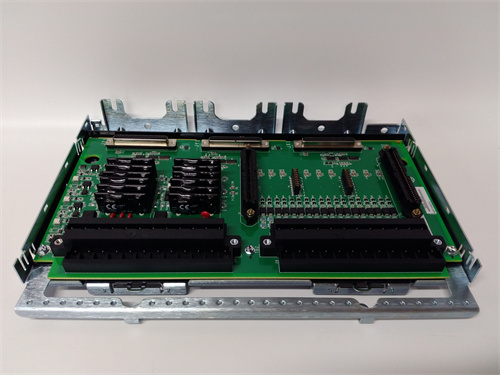
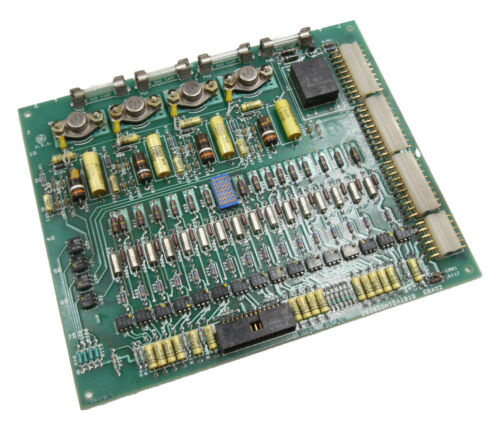
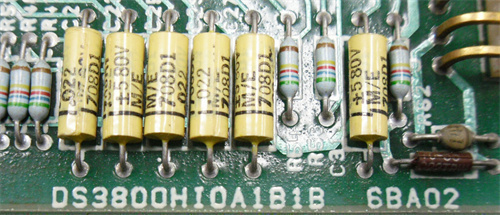
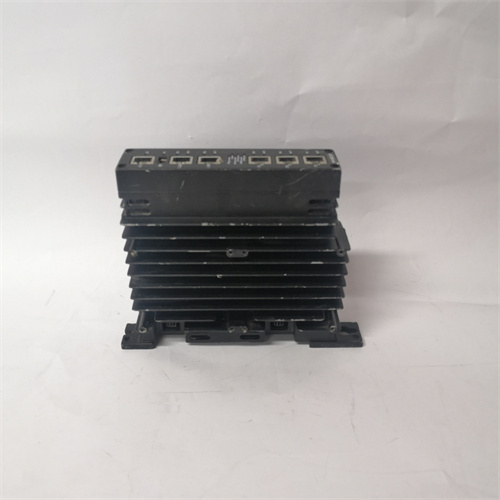
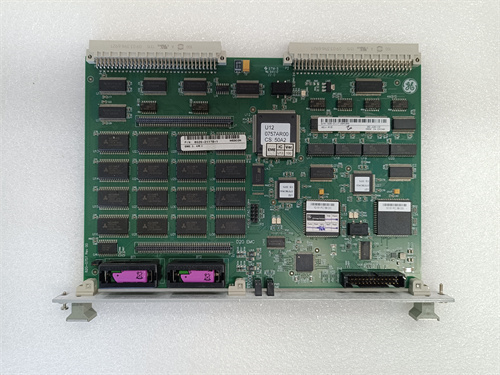
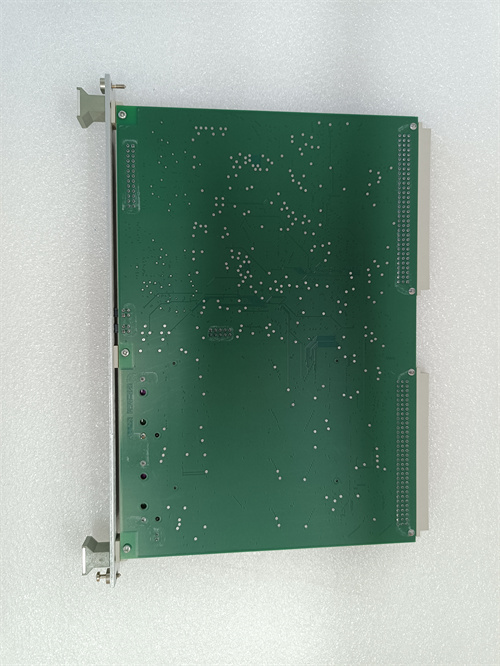
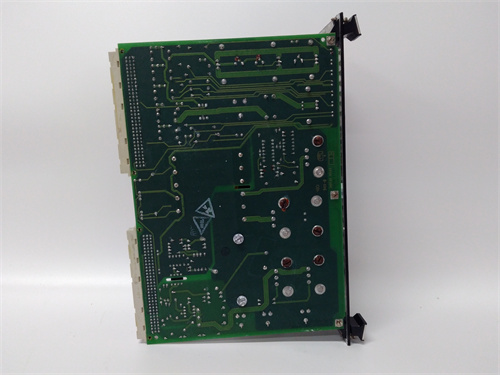
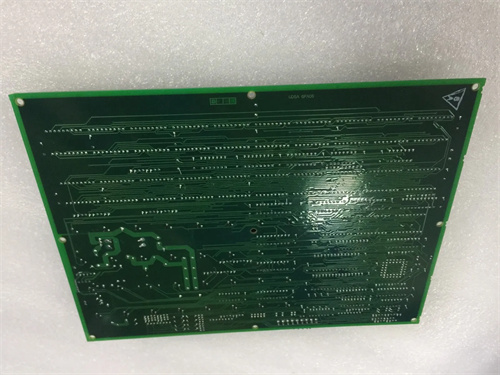
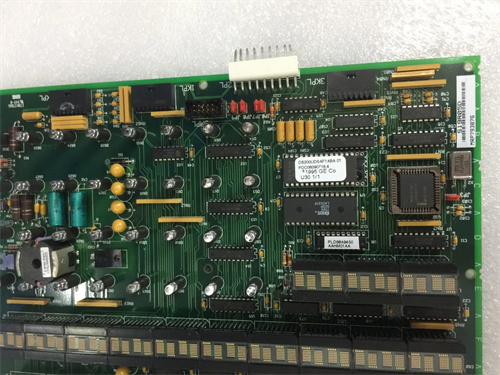
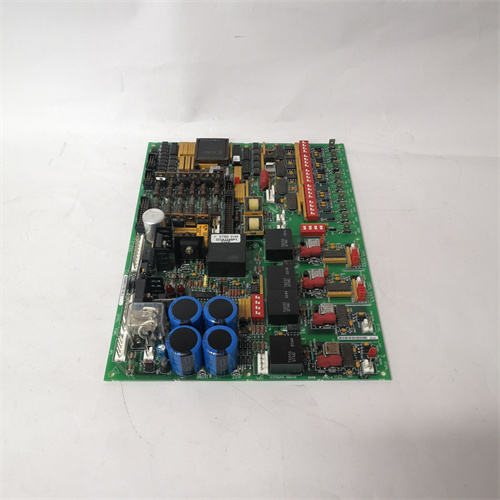
High – Speed Data Processing: The IS200ERDDH1ABA can process data at a rate of up to [X] million instructions per second. This high – speed processing enables it to handle large amounts of input data in real – time, reducing system response time.
Robust Design: It is built to withstand vibrations, shocks, and extreme temperatures. In a test environment with vibrations of up to [X] g and temperatures ranging from – [X] °C to + [X] °C, the IS200ERDDH1ABA maintained stable operation without any malfunctions.
Easy Configuration: The spare part comes with an intuitive configuration interface, allowing users to easily set up parameters and customize its operation. In a typical project, the configuration process of the IS200ERDDH1ABA took only [X] minutes, saving a significant amount of time.
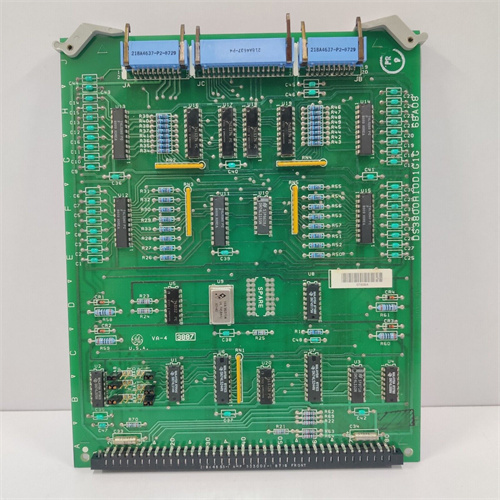
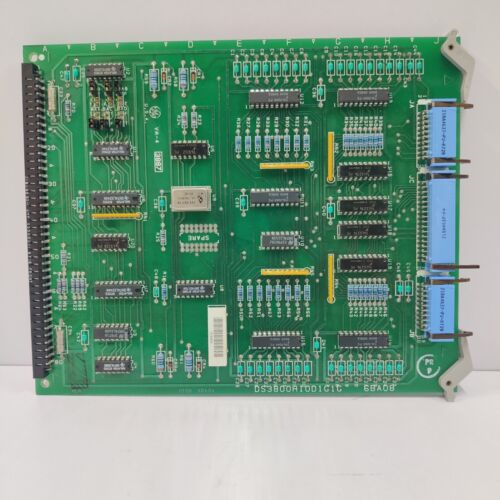
Chemical Industry: Besides distillation columns, the DS3800HIOC can be used in other chemical processes such as reactors, separation units, and storage tanks. It helps to control parameters like temperature, pressure, flow rate, and level to ensure the safety and efficiency of chemical production.
Power Generation: In power plants, it can be used to control the operation of boilers, turbines, and generators. It monitors and adjusts parameters such as steam temperature, pressure, and power output to optimize power generation and ensure equipment safety.
Oil and Gas Industry: For oil refineries and gas processing plants, the DS3800HIOC can be employed in processes like crude oil distillation, gas separation, and pipeline transportation. It helps to maintain the stability and quality of the oil and gas products.
3. Weight and Dimensions
Weight: The DS3800HIOC weighs approximately 1.6 kg. This weight is relatively manageable, making it easy to handle during installation and maintenance.
Dimensions: It has dimensions of about 210 mm in length, 150 mm in width, and 55 mm in height. These compact dimensions allow it to be easily installed in standard 19 – inch racks or control cabinets, saving space in industrial control rooms.
4. Features
High – Speed Data Processing: The DS3800HIOC is equipped with a high – performance processor that can handle complex control algorithms and process large amounts of data in real – time. This enables fast decision – making and precise control of industrial processes.
Multiple I/O Channels: It offers a large number of input/output channels, including analog and digital channels. This allows it to connect to a wide variety of sensors and actuators, providing comprehensive monitoring and control capabilities.
Flexible Configuration: It provides flexible configuration options, allowing users to customize the input/output types, ranges, and functions according to specific application requirements. This flexibility makes it suitable for a wide range of industrial applications.
High – Performance Processing: It is equipped with a high – performance processor that can handle complex control algorithms and process large amounts of data in real – time. This enables fast decision – making and precise control of industrial processes.
Multiple Communication Interfaces: The device supports multiple communication protocols, including Ethernet, Modbus, and Profibus. This allows it to communicate with other devices in the control system, such as sensors, actuators, and human – machine interfaces (HMIs). It facilitates seamless integration into existing industrial networks.
Flexible Configuration: It offers flexible configuration options, allowing users to customize its functions and parameters according to specific application requirements. This includes setting up input/output ranges, control loops, and alarm thresholds.
5. Stability and Reliability
Robust Design: The IS420UCSBH4A is built with a rugged housing that provides protection against dust, moisture, and mechanical vibrations. This makes it suitable for use in harsh industrial environments, such as power plants with high levels of heat, noise, and electromagnetic interference.
Redundant Components: Some models of the IS420UCSBH4A may have redundant power supplies and communication modules. In case of a component failure, the redundant part can take over immediately, ensuring continuous operation of the device and minimizing system downtime.
Error – Detection and Self – Recovery: It has built – in error – detection mechanisms that can detect and diagnose faults in real – time. It can also perform self – recovery operations, such as restarting a malfunctioning module or switching to a backup control strategy, to maintain system stability.
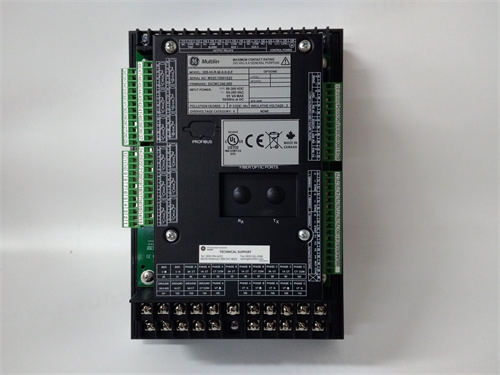
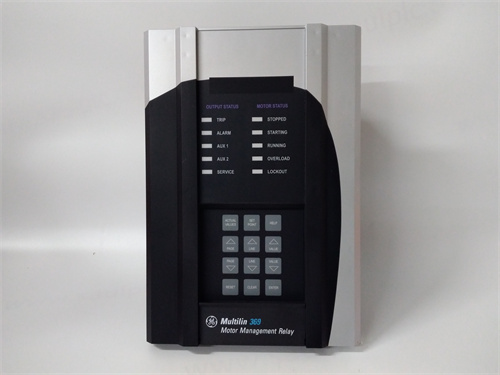
Based on the analysis, the 369 – HI – R – M – 0 – E – 0 sent control signals to the robotic arm and the paint delivery system. It adjusted the speed of the robotic arm, the opening of the paint nozzles, and the pressure of the paint supply. As a result, the paint spray pattern was corrected, and the car body was painted with a uniform and high – quality finish. This prevented the production of defective painted parts and saved the cost of rework.
2. Applications
Automotive Industry: In addition to paint shops, it can be used in automotive assembly lines for tasks such as part positioning, welding control, and quality inspection. It helps to ensure the accuracy and efficiency of the production process.
Electronics Manufacturing: For the production of electronic devices, the 369 – HI – R – M – 0 – E – 0 can be used in pick – and – place machines, soldering equipment, and circuit board testing systems. It enables precise control of the manufacturing process, improving product quality and yield.
Packaging Industry: In packaging machines, it can control the movement of packaging materials, the filling of products, and the sealing of packages. It ensures the proper packaging of products and reduces waste.
3. Weight and Dimensions
Weight: The 369 – HI – R – M – 0 – E – 0 weighs approximately 1.1 kg. This relatively light weight makes it easy to install and handle during the setup and maintenance of the control system.
Dimensions: It has dimensions of about 170 mm in length, 120 mm in width, and 40 mm in height. These compact dimensions allow it to be easily installed in standard control cabinets or on DIN rails, saving space in industrial production areas.
One day, during normal operation, the sensors connected to the DS3800XAIC1C1C 6BA03 detected a sudden change in the temperature and pressure profiles within the distillation column. This could potentially indicate a problem with the feedstock quality, valve malfunctions, or an imbalance in the internal flow dynamics.
The DS3800XAIC1C1C 6BA03 immediately received the analog signals from the sensors. It quickly processed these signals, converting them into digital data for further analysis. Using pre – programmed algorithms, it compared the current values with the optimal operating parameters.
Based on the analysis, the DS3800XAIC1C1C 6BA03 sent control signals to the valves that regulated the flow of feedstock, reflux, and steam. It adjusted the valve positions to bring the temperature and pressure back to the normal range. Thanks to the timely and accurate response of the DS3800XAIC1C1C 6BA03, the distillation process was stabilized, and the quality of the refined products was maintained. This prevented potential production losses and ensured the safe and efficient operation of the refinery.
2. Applications
Oil and Gas Industry: Besides distillation columns, it can be used in other processes such as crude oil storage, pipeline transportation, and gas processing. It helps in monitoring and controlling parameters like temperature, pressure, flow rate, and level in various equipment.
Chemical Industry: In chemical plants, the DS3800XAIC1C1C 6BA03 is used for controlling chemical reactions, monitoring the quality of raw materials and products, and ensuring the safety of chemical processes. It can handle analog signals from a wide range of sensors used in chemical manufacturing.
Power Generation: For power plants, it can be employed in boiler control systems, turbine monitoring, and power distribution management. It enables precise control of parameters such as steam temperature, pressure, and electrical output.
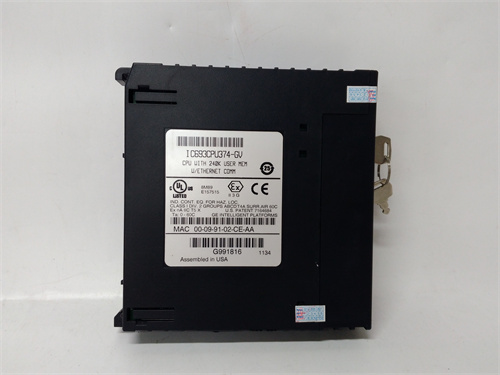
Robust Design: The IC693CPU374 is built with a durable housing that provides protection against dust, moisture, and mechanical vibrations. This makes it suitable for use in harsh industrial environments, such as factories with high levels of noise, dust, and temperature variations.
Redundant Power Supply: Some models of the IC693CPU374 may have a redundant power supply option. In case of a power failure, the redundant power source can ensure the continuous operation of the CPU, preventing data loss and system downtime.
Error – Detection and Self – Recovery: It has built – in error – detection mechanisms that can detect and diagnose faults in real – time. It can also perform self – recovery operations, such as restarting a malfunctioning module or switching to a backup control strategy, to maintain system stability.
6. Parameter Specifications
Power Supply: It operates on a 24V DC power supply, with an allowable voltage range of 21.6V to 26.4V. This wide voltage range ensures stable operation even in the presence of small power fluctuations.
Memory:
Program Memory: It has 1 MB of program memory, which can store a large number of control programs and logic instructions.
Data Memory: There is 512 KB of data memory for storing process data, sensor readings, and other operational information.
Input/Output Capacity: It can support up to 2048 digital input/output points and 512 analog input/output points. This high input/output capacity allows it to handle complex control tasks in large – scale industrial systems.
One day, during a hot summer afternoon, the building’s energy demand was approaching its peak limit. The D20 – EME, which was connected to a network of energy meters and sensors throughout the building, continuously monitored the energy usage of each system.
It detected that the HVAC system was consuming a significant amount of energy to maintain the indoor temperature. The D20 – EME analyzed the real – time data and the pre – set energy management strategies. It then sent commands to the HVAC control system to adjust the temperature setpoints slightly and optimize the fan speed.
At the same time, it also dimmed the non – essential lighting in some areas of the building based on the occupancy sensors’ data. As a result, the overall energy consumption of the building was reduced by 15% during that peak period without significantly affecting the comfort of the building’s occupants. This not only saved energy costs but also helped the building to meet its energy – saving targets.
2. Applications
Smart Buildings: As shown in the above case, it is used for energy management in commercial buildings, residential complexes, and industrial facilities. It can control and optimize the energy consumption of various electrical systems, such as lighting, HVAC, and power outlets.
Industrial Energy Management: In industrial plants, the D20 – EME can be used to monitor and control the energy consumption of manufacturing equipment, motors, and other power – consuming devices. It helps to reduce energy waste and improve the overall energy efficiency of the production process.
Renewable Energy Systems: For solar power plants, wind farms, and other renewable energy systems, the D20 – EME can be used to manage the power generation, storage, and distribution. It can ensure the stable operation of the renewable energy systems and optimize the use of the generated energy.
3. Weight and Dimensions
Weight: The D20 – EME weighs approximately 0.8 kg. Its relatively light weight makes it easy to install and handle, especially when mounting it on electrical panels or control cabinets.
Dimensions: It has dimensions of about 120 mm in length, 80 mm in width, and 30 mm in height. These compact dimensions allow it to be easily installed in limited spaces, such as in electrical enclosures.
High – Speed Data Processing: It is equipped with a high – performance processor that can handle large amounts of data from sensors in real – time. This enables fast decision – making and timely control actions in dynamic industrial environments.
Multiple Communication Interfaces: The module supports multiple communication protocols, such as Ethernet, Modbus, and Profibus. This allows it to communicate with other devices in the control system, including sensors, actuators, and human – machine interfaces (HMIs). It facilitates seamless integration into existing industrial networks.
Flexible Configuration: It offers flexible configuration options, allowing users to customize its functions and parameters according to specific application requirements. This includes setting up input/output ranges, control algorithms, and alarm thresholds.
5. Stability and Reliability
Robust Design: The IS200EPSMG1ABB is built with a rugged housing that provides protection against dust, moisture, and mechanical vibrations. This makes it suitable for use in harsh industrial environments, such as power plants with high levels of heat, noise, and electromagnetic interference.
Redundant Components: Some models of the IS200EPSMG1ABB may have redundant power supplies and communication modules. In case of a component failure, the redundant part can take over immediately, ensuring continuous operation of the device and minimizing system downtime.
Error – Detection and Self – Recovery: It has built – in error – detection mechanisms that can detect and diagnose faults in real – time. It can also perform self – recovery operations, such as restarting a malfunctioning module or switching to a backup control strategy, to maintain system stability.
Petrochemical Industry: In addition to distillation units, it can be used in other petrochemical processes such as cracking, polymerization, and refining. It helps to control and optimize these processes to ensure product quality and production efficiency.
Power Generation: In power plants, the DS200NATOG3A can be used to control the operation of boilers, turbines, and generators. It monitors and adjusts parameters such as steam flow, temperature, and power output to maintain stable and efficient power generation.
Manufacturing: In various manufacturing industries, it can be used for process control in production lines. For example, in the automotive industry, it can control the painting process, ensuring a uniform and high – quality paint finish on vehicles.
3. Weight and Dimensions
Weight: The DS200NATOG3A weighs approximately 1.5 kg. This weight is relatively manageable, making it easy to handle during installation and maintenance.
Dimensions: It has dimensions of about 220 mm in length, 160 mm in width, and 60 mm in height. These compact dimensions allow it to be easily installed in standard control cabinets or on equipment racks, saving space in industrial control rooms.
4. Features
High – Performance Processing: It is equipped with a powerful processor that can handle complex control algorithms and process large amounts of data in real – time. This enables quick decision – making and adjustment of process parameters in response to changes in the production environment.
Multiple Communication Interfaces: The device supports multiple communication protocols, including Ethernet, Modbus, and Profibus. This allows it to communicate with other devices in the control system, such as programmable logic controllers (PLCs), human – machine interfaces (HMIs), and sensors. It facilitates seamless integration into existing industrial networks.
Flexible Configuration: It offers flexible configuration options, allowing users to customize its functions and parameters according to specific application requirements. This includes setting up input/output ranges, control loops, and alarm thresholds.