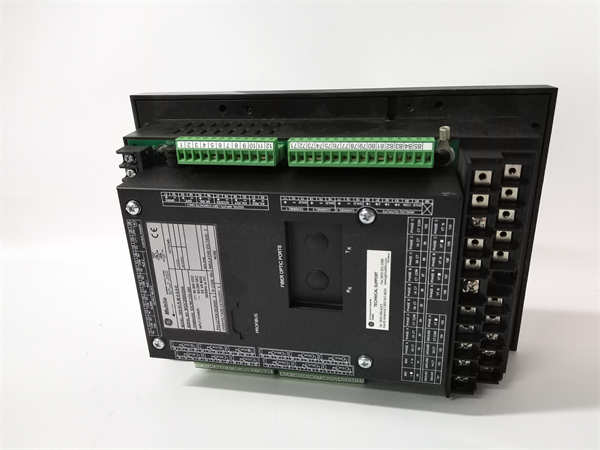
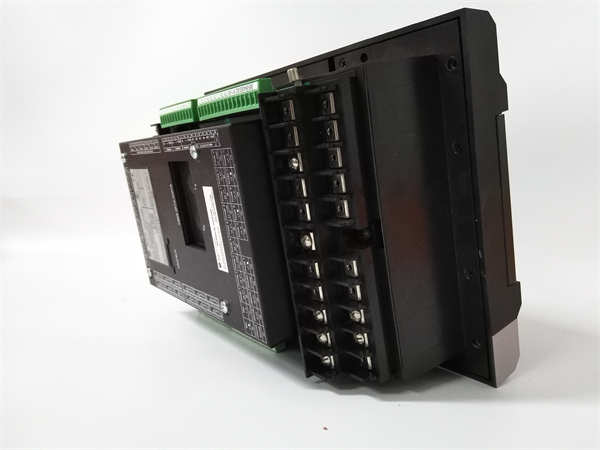
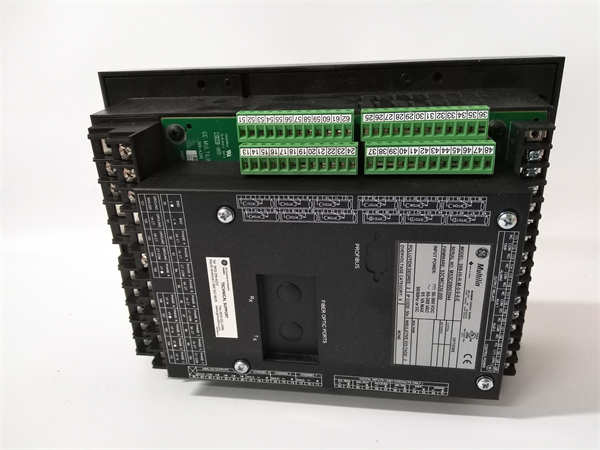
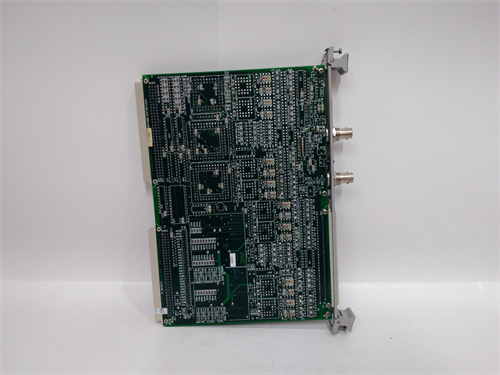
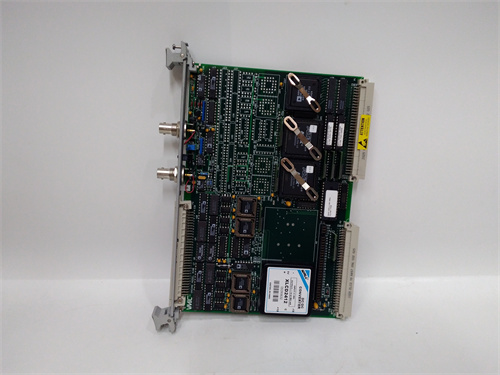
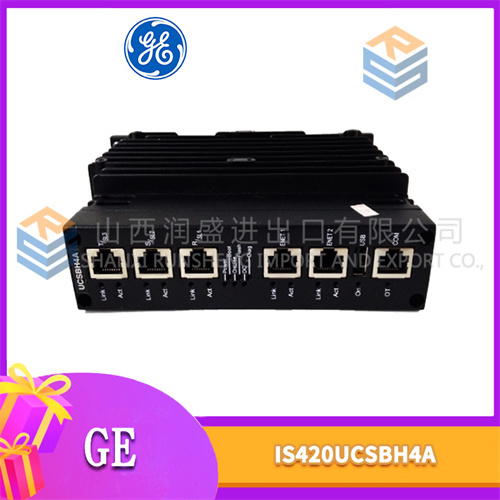
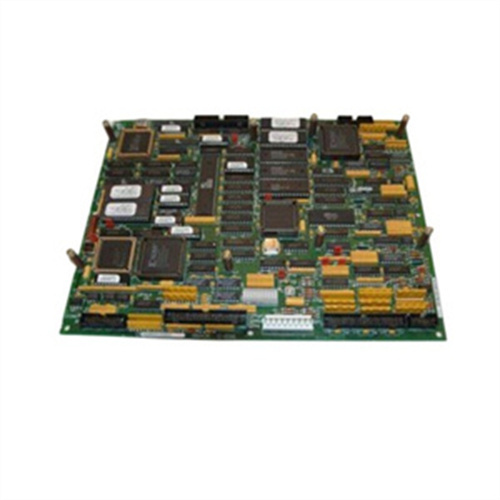
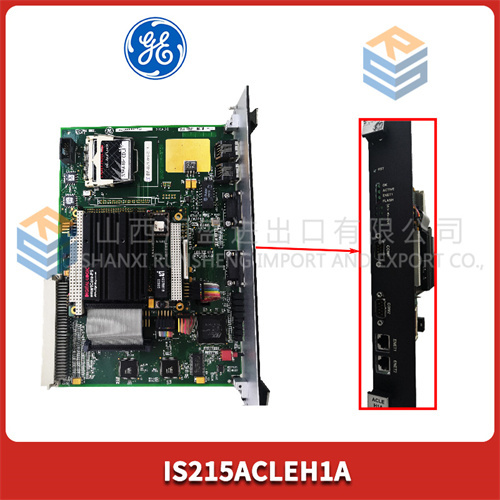
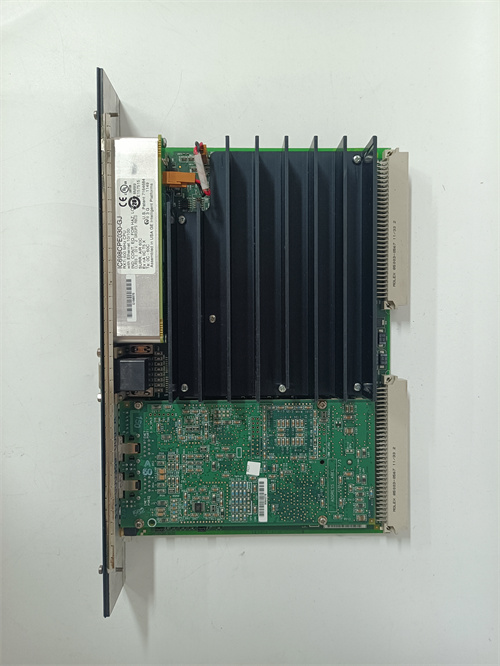
Main purpose : 369-HI-0-M-0-0-0-0-e is a General Electric company 369 motor protection relay designed to protect and control motors and their supporting components, reduce troubleshooting time and extend system life
. Size
Approximate dimensions : H 11.5 “x x 5.5” x 8.5 “
Other descriptions also described as having a similar scale of 12 inches high x 5 inches wide x 8 inches long
Features: Provides equipment, motor and I/O control functions.
Microprocessor: Has four microprocessors, including the onboard Drive Control processor (DCP), local Area Network Control processor (LCP), Motor control processor (MCP), and Comotor processor (CMP). These processors are used to filter and process the signals on the card.
specification
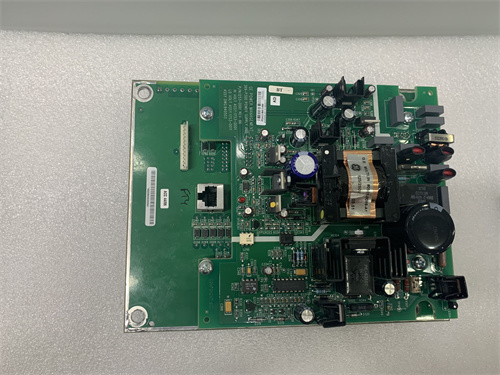
Product type: Circuit board gas turbine card, automation imported parts.
Origin: USA.
Input voltage range: The input voltage range of the DS200FGPAG1A may vary depending on the search results. One says 12-48VDC, while another mentions that the device is rated at 220V for use in power measurement and power management applications. For the latter, however, it may refer to the voltage that the DS200FGPAG1A feeds into the grid when it acts as a smart meter, rather than the input voltage of the device itself.
Output voltage: When used as a power module or similar device, the DS200FGPAG1A may have an output voltage of 5VDC and a maximum output current of 10A.
Efficiency: greater than 90%.
Measurement accuracy: 0.2 (when used as a smart meter).
Analog output channels: 32 high quality analog output channels with 12-bit resolution
Output impedance: 0.8Ω
Output voltage range: unipolar (0 to +10V, 0 to +5V, zero to +2.5V) or bipolar (±2.5, ±5 and ±10V) software optional
Output current: can output or receive 10 mA at ±10V voltage
specification
Each output: A dedicated D/A converter (DAC)
Calibration and self-test: initiated by the VME bus system reset or by the execution of software commands
Offset and gain coefficients: During calibration, a table of offset and gain coefficients is compiled and stored in RAM
Industrial grade design: anti-vibration, anti-electromagnetic interference and durable, suitable for a variety of harsh industrial environments.
Modular design: easy to expand and upgrade, improve system flexibility and maintainability.
Multiple input and output channels: The ability to monitor multiple process variables and perform related operations to meet complex control needs.
Communication interface: Ethernet or serial communication interface that supports connection and communication with other devices or systems.
Function: Labeled as a power brake buffer, it is part of General Electric’s Mark V series.
Electrical specifications: Support constant torque 575 v AC for a 375 HP motor and variable torque 380 V AC for a 300 HP motor.
Connector type: Four-pin connector for connecting the power supply/interface board (IMCP) and DS200ITXDG1ABA board.
specification
Inverter and dynamic brake buffer board control: Control via power/interface board (IMCP).
Board mount: To be mounted externally, its dimensions must meet the worst switch requirements for dynamic braking IGBTs.
Size and weight
Weight: Approximately 0.8KG
Processor: Uses an 80386EX processor with a speed of 25MHz.
Memory: The maximum user program memory is 32K bytes.
Scan rate: The typical scan rate of a CPU is 0.22 ms /K.
Communication interface: Equipped with a built-in serial port supporting SNP/SNP-X slave protocol and a LAN port supporting multipoint, Ethernet, FIP, Profibus, GBC, GCM and GCM+ option modules.
Power requirements: 670 MA from +5 VDC power supply required.
Function support: Support shift register, override, battery backup clock, PCM/CCM compatibility, periodic subroutine interrupt function, floating point math, RAM and flash storage.
Type: GE (General Electric) digital quantity input card module.
Use: Commonly used in industrial automation and control systems, allowing digital signals to be input into the control system to monitor and control different equipment and processes.
Communication capability: With a communication interface, you can communicate with other control devices and industrial networks to achieve data sharing and monitoring.
Modbus operation: Performing a combination of one read and one write operations in a single Modbus transaction can write to one set of 4 registers and return the contents of another set of 4x registers.
Two Ethernet communication ports support automatic detection of network transmission speed and can be configured for half-duplex and full-duplex operation modes.
One RS232 port.
One RS485 port.
A station manager port.
Self-diagnosis function: With comprehensive self-diagnosis capability, it can find and report potential faults in time.
Programmable: Support a variety of programming languages (such as ladder diagram, structured text, function block diagram and C language), easy for users to program and customize according to actual needs.